Even a heavily insulated wall is compromised if it is punctuated by inefficient windows and doors. In architectural terminology, fenestration refers to the design and placement of these openings. Historically, windows and doors have been notorious sources of heat loss in the winter and heat gain in the summer. Modern engineering, however, has transformed them into sophisticated environmental barriers.
Understanding Glazing Systems
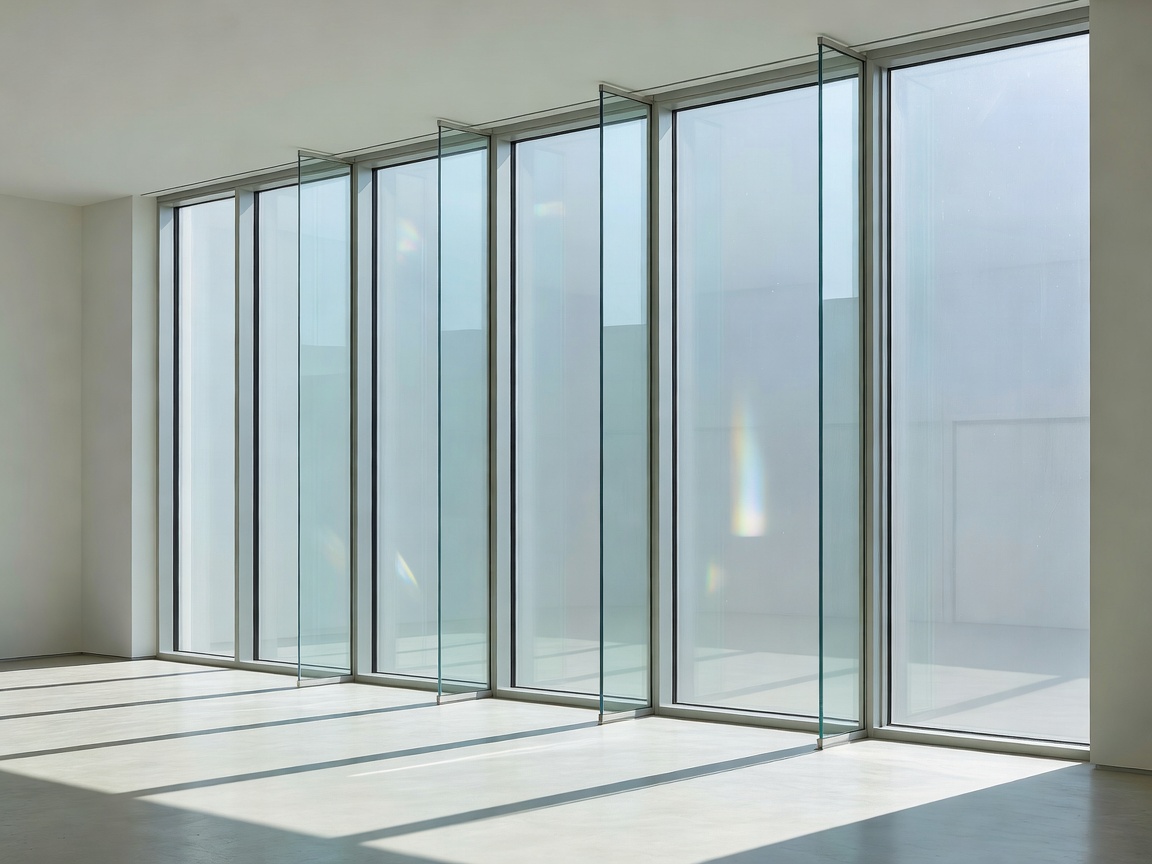
The days of single-pane glass are long gone in the context of energy efficiency. Contemporary standards demand at least double glazing—two panes of glass separated by a spacer. The void between these panes is hermetically sealed and typically filled with an inert, non-toxic gas such as argon or krypton. These dense gases slow the transfer of thermal energy far better than standard atmospheric air.
For extreme climates, triple-glazed windows offer an additional layer of glass and a second gas-filled chamber. While noticeably heavier and more expensive, they provide unparalleled acoustic insulation and thermal resistance, making them a staple in rigorous architectural standards like Passive House design.
Frame Materials and Thermal Breaks
The glass only accounts for a portion of a window's overall performance; the framing material is equally critical. Traditional aluminum frames are highly durable but act as excellent thermal conductors, readily wicking heat out of a building. To combat this, modern aluminum frames utilize "thermal breaks"—structural plastic or polyurethane barriers embedded within the metal to halt thermal transfer.
Alternatively, fiberglass and vinyl frames offer excellent inherent insulation properties. Wood frames also provide good thermal resistance and classic aesthetics, though they require more maintenance to protect against moisture and weathering over time.
Key Performance Metrics
When selecting windows and doors, it is vital to understand the standardized ratings provided by industry councils:
- U-Factor: Measures the rate of heat transfer. Unlike the R-value used for insulation, a lower U-factor indicates better insulative performance.
- Solar Heat Gain Coefficient (SHGC): Indicates the fraction of solar radiation admitted through a window. In hot climates, a low SHGC is desired to prevent overheating. In cold climates, a higher SHGC can beneficially capture free solar heating during the winter.
- Visible Transmittance (VT): Represents the amount of daylight the window lets in. Balancing a good U-factor with a high VT ensures the home remains well-lit without thermal penalties.
- Air Leakage (AL): Measures how much outside air permeates through the assembly. Lower numbers denote tighter seals and fewer drafts.
High-Performance Exterior Doors
Similar advancements apply to exterior doors. Solid wood doors, while beautiful, offer relatively low insulation values. The most energy-efficient options feature an insulated core—typically polyurethane foam—clad in fiberglass or steel. Fiberglass, in particular, can mimic the grain of natural wood without the susceptibility to warping or thermal expansion, ensuring that weatherstripping maintains a perfect seal year-round.
Conclusion
Replacing outdated, leaky windows and doors is a significant architectural upgrade that profoundly impacts a home's comfort, acoustic serenity, and energy profile. By carefully selecting glass packages and framing materials suited to your specific climate zone, you secure the perimeter of your thermal envelope.