Transitioning to solar energy is one of the most impactful decisions a homeowner can make when aiming to create an energy-efficient home. While the underlying science of photovoltaic (PV) generation has remained consistent, modern manufacturing and smart integration technologies have made solar panels highly accessible, visually unobtrusive, and remarkably efficient.
Understanding Photovoltaic Systems
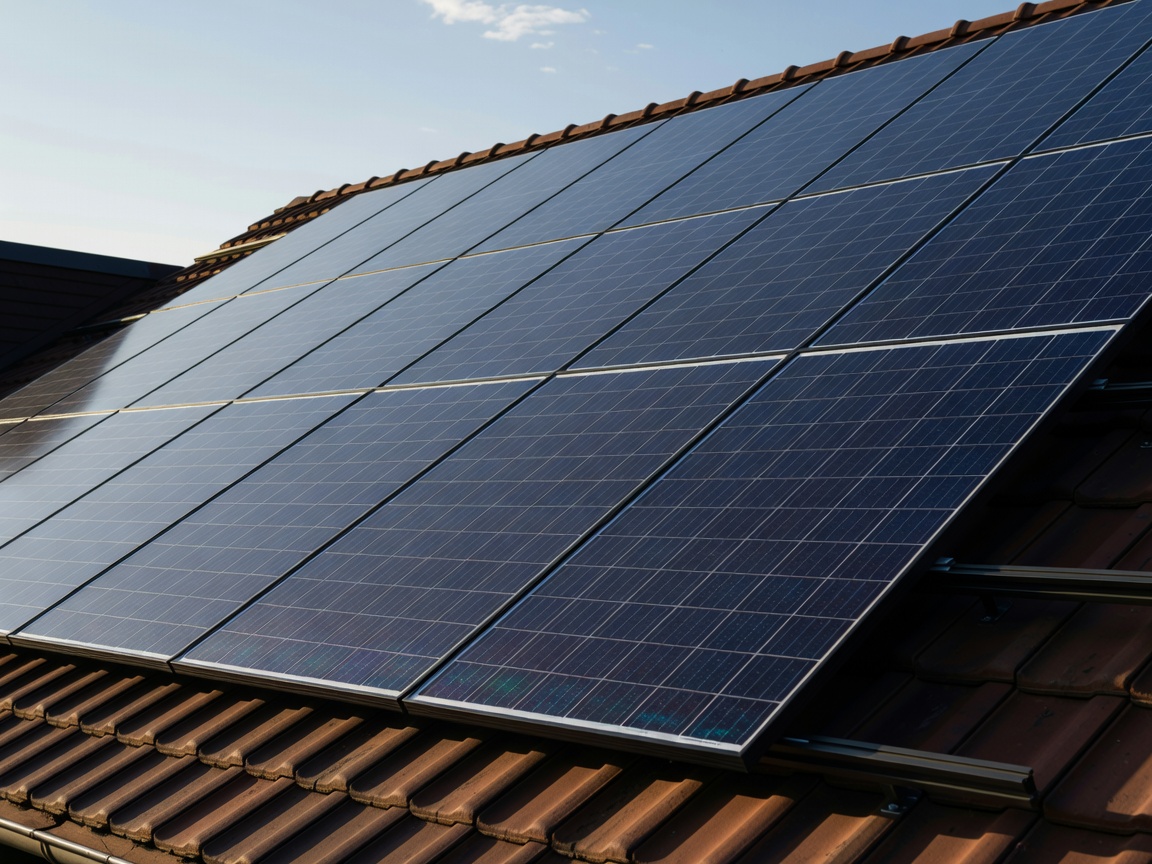
At the core of any residential solar setup is the photovoltaic panel. These panels consist of arrays of solar cells made primarily from silicon. When sunlight hits these cells, it knocks electrons loose from their atoms. As electrons flow through the cell, they generate direct current (DC) electricity.
However, residential homes operate on alternating current (AC). Therefore, a crucial component of the system is the inverter. Inverters convert the DC electricity generated by the panels into AC electricity that can power household appliances and integrate with the wider electrical grid. Modern configurations often utilize micro-inverters—small devices attached to individual panels—which optimize performance on a per-panel basis rather than relying on a single central inverter. This ensures that if one panel is temporarily shaded, the entire array's output is not severely bottlenecked.
Assessing Viability and Installation
Not every roof is immediately suited for solar optimization. Several factors dictate the potential yield of a solar installation. Primary considerations include roof orientation, tilt, and the extent of shading from surrounding trees or buildings. Structures featuring expansive, unshaded roof planes facing the equator (South in the Northern Hemisphere) generally see the highest returns on investment.
Before proceeding with an installation, it is imperative to conduct a thorough structural assessment. Solar arrays add significant weight and wind load to a roof structure. If a roof's underlying membrane or shingle system is nearing the end of its functional life, industry standards dictate replacing the roof prior to panel installation to avoid the immense labor costs of removing and reinstalling the array later.
Grid-Tied vs. Off-Grid Configurations
Most residential installations are "grid-tied," meaning the home remains connected to the municipal electrical grid. During peak sunlight hours, homes often generate more electricity than they consume. This excess power can be exported back to the grid, often resulting in utility credits via net metering policies. Conversely, during the night or on heavily overcast days, the home seamlessly draws power from the grid.
Completely off-grid systems require substantial battery storage capacities to ensure power availability around the clock. While providing total energy independence, the initial capital expenditure for massive battery banks and backup generators makes true off-grid living a specialized undertaking rather than a standard suburban upgrade.
Integration with Battery Storage
Even for grid-tied homes, adding a localized battery system has become increasingly popular. A home battery stores surplus solar energy generated during the day for use during peak evening hours when grid electricity rates might be higher (in areas with time-of-use pricing). Furthermore, a correctly configured battery system can isolate the home from grid outages, providing critical backup power during severe weather events or infrastructure failures.
Maintenance and Long-Term Value
Solar arrays are highly celebrated for their lack of moving parts, which translates to minimal maintenance requirements. Routine care generally involves occasional cleaning to remove dust, pollen, or bird droppings, which can marginally diminish efficiency if left to accumulate. Seasonal inspections to ensure wiring remains secure and free from pest damage are also recommended.
When evaluated over a multi-decade timeframe, the financial benefits of solar power are undeniable for suitable properties. By drastically reducing or even eliminating monthly utility bills, homeowners can insulate themselves from fluctuating energy markets while simultaneously increasing the resale value of the property.