Heating, ventilation, and air conditioning (HVAC) systems are routinely responsible for the vast majority of a home's total energy consumption. Relying on outdated, single-stage equipment can lead to exorbitant utility bills and inconsistent comfort levels. Upgrading to high-efficiency mechanical systems represents a profound leap forward in household sustainability.
The Heat Pump Revolution
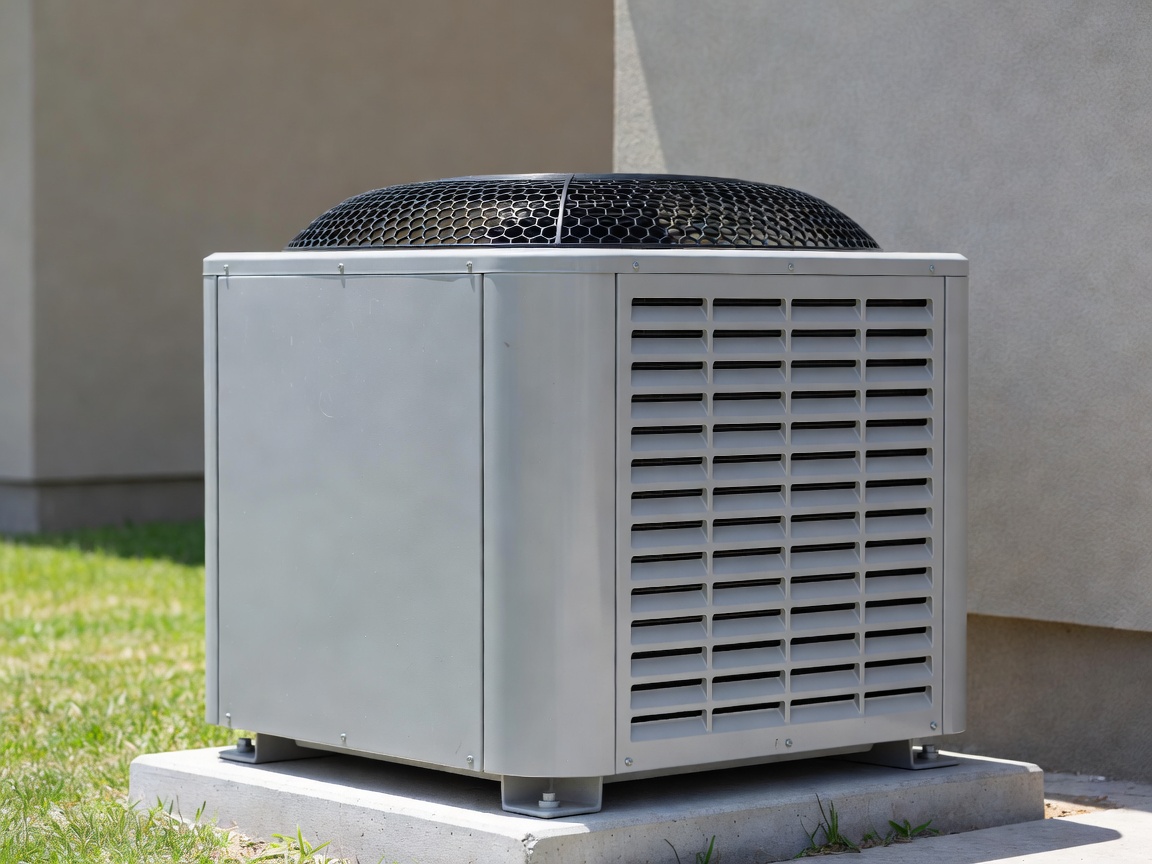
Historically, homes have relied on combustion-based systems (like natural gas or oil furnaces) to generate heat, and separate refrigerant-based air conditioners to remove it. Heat pumps revolutionize this paradigm. Rather than burning fuel to create heat, a heat pump utilizes electricity to extract ambient heat from the outside air and transfer it indoors.
Because moving heat is vastly more energy-efficient than creating it, modern heat pumps operate at extraordinary efficiency levels—often delivering multiple units of thermal energy for every single unit of electrical energy consumed. Moreover, the process is entirely reversible. In the summer, the system extracts heat from the interior and vents it outside, functioning exactly like a highly efficient air conditioner.
Variable Speed and Inverter Technology
Traditional HVAC systems rely on single-stage compressors. This means the system is either off, or operating at 100% capacity. This leads to heavy energy surges upon startup and noticeable temperature swings in the home.
High-efficiency equipment features variable speed compressors driven by inverter technology. These systems can ramp their output up or down in tiny increments, matching the exact thermal load of the house. By running continuously at a very low speed, they maintain perfect ambient temperatures while drawing a fraction of the electricity required by older systems.
Geothermal vs. Air-Source Systems
While air-source heat pumps extract heat from the outside air, geothermal (or ground-source) heat pumps extract heat from the earth. Because underground temperatures remain relatively constant year-round, regardless of extreme winter freezing or summer heatwaves, geothermal systems operate with staggering efficiency.
The drawback of geothermal technology lies in the installation. It requires extensive excavation to bury the necessary fluid loop systems, making the initial capital expenditure considerably higher than air-source alternatives. However, for properties where land access is not an issue and long-term operating costs are the priority, geothermal remains the gold standard.
The Importance of Duct Sealing and Design
Installing a state-of-the-art HVAC unit is only half the battle. In a ducted system, conditioned air must travel through a network of sheet metal or flex ducting to reach the living spaces. If these ducts run through unconditioned areas (like an attic or crawlspace) and suffer from poor sealing, a massive percentage of the heated or cooled air will leak before it ever reaches a vent.
Comprehensive duct sealing, using specialized mastics or advanced aerosol sealants, ensures that the high-efficiency machinery is actually delivering comfort to the occupants, rather than conditioning the attic. Additionally, properly sized and designed returns prevent the system from straining against air pressure imbalances.
Conclusion
Modern HVAC systems are sophisticated feats of engineering. By migrating away from fossil-fuel combustion and embracing variable-speed heat transfer, homeowners can drastically cut their carbon footprint, reduce mechanical noise, and achieve unprecedented levels of indoor comfort.