When envisioning an energy-efficient home, modern technology such as solar arrays and smart thermostats often comes to mind first. However, the most critical element of a sustainable home is entirely passive: the thermal envelope. Without adequate insulation, even the most advanced heating and cooling systems will be forced to overwork, hemorrhaging energy into the surrounding environment.
The Concept of the Thermal Envelope
The thermal envelope is the physical barrier that separates the conditioned interior space from the unconditioned exterior. This includes walls, the roof, the foundation, windows, and doors. The primary metric used to evaluate the effectiveness of insulation within this envelope is the R-value, which measures the material's resistance to conductive heat flow. A higher R-value indicates superior insulating power.
Heat naturally moves from warmer areas to cooler areas. During winter, interior heat attempts to escape outside. Conversely, during summer, exterior heat presses into the cooler interior. A robust insulation strategy mitigates this transfer, stabilizing indoor temperatures and significantly reducing the workload on HVAC equipment.
Common Insulation Materials
Selecting the right insulation material depends heavily on the specific application, budget, and local climate zone. The market offers several standard options, each with distinct advantages:
- Fiberglass Batts: The most common form of insulation in many regions, utilizing fine glass fibers spun into rolls. It is relatively inexpensive and straightforward to install in standard stud bays, though it requires careful cutting to avoid gaps.
- Cellulose: Made primarily from recycled paper products treated for fire and pest resistance. It is typically blown into attics or densely packed into closed wall cavities, offering excellent coverage that conforms around pipes and wiring.
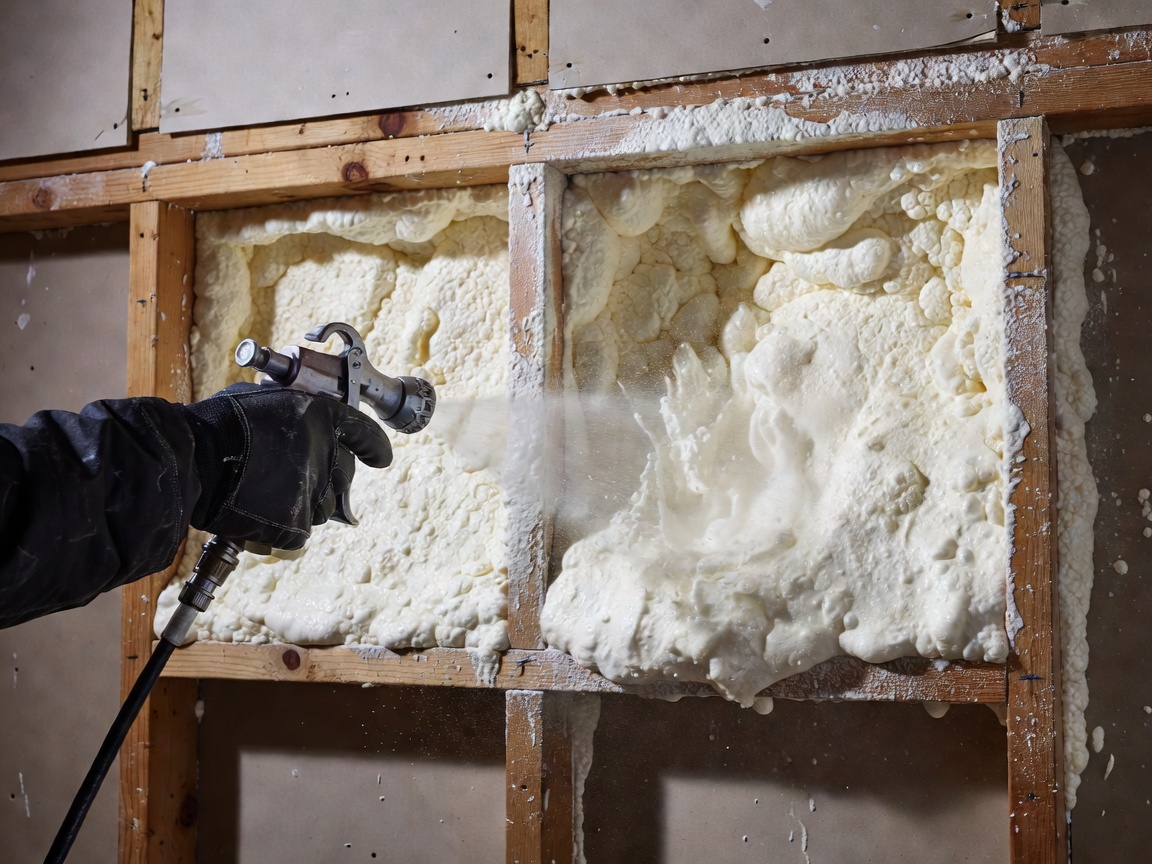
- Spray Polyurethane Foam (SPF): Available in open-cell and closed-cell varieties, spray foam expands upon application to completely seal cavities. Closed-cell foam offers an exceptionally high R-value per inch and acts as a moisture vapor barrier, making it ideal for basements and tight spaces.
- Rigid Foam Board: Extruded polystyrene (XPS) or polyisocyanurate panels provide continuous insulation when applied to exterior walls or foundations. They are instrumental in reducing thermal bridging (heat transfer through the structural framing).
Tackling Air Leakage
Insulation alone cannot perfect a thermal envelope if air is allowed to flow freely through cracks and gaps. Air leakage can account for a massive percentage of a home's heat loss or gain. An effective insulation strategy must be paired with comprehensive air sealing.
Common culprits for drafts include the junctions between walls and the foundation (sill plates), around window and door frames, utility penetrations, and recessed lighting fixtures. Utilizing caulk, expanding foam sealants, and appropriate weatherstripping in these areas works synergistically with bulk insulation materials to create a truly airtight environment.
Attic and Roof Strategies
Because warm air rises, a poorly insulated attic acts as a chimney, drawing heated air out of the living space during winter. Conversely, a sun-baked roof in summer can radiate intense heat downward. Ensuring a deep, uninterrupted layer of insulation across the attic floor is often the most cost-effective upgrade a homeowner can undertake.
It is crucial, however, to balance insulation with ventilation. Blocking soffit vents with insulation can lead to moisture buildup, risking mold growth and premature roof deterioration. Baffles should always be installed to maintain clear airflow pathways from the eaves to the ridge.
Conclusion
Investing in high-quality insulation and meticulous air sealing yields returns that persist for the lifetime of the home. It is a one-time improvement that requires virtually no maintenance, yet it continuously guards against energy waste, lowers utility bills, and creates a fundamentally more comfortable living space.